Give your team their time back.
Turn the copy-paste, chasing, and spreadsheet gymnastics into a workflow that does the heavy lifting.
Your fractional CTO. Also the person who builds it.
Get a hands-on CTO for your software, websites, systems, and technical decisions. I plan, build, fix, and keep things running—so you can move the business forward without building a whole technical department.
Free app-building guide: 28-page PDF + starter code, delivered through Gumroad.
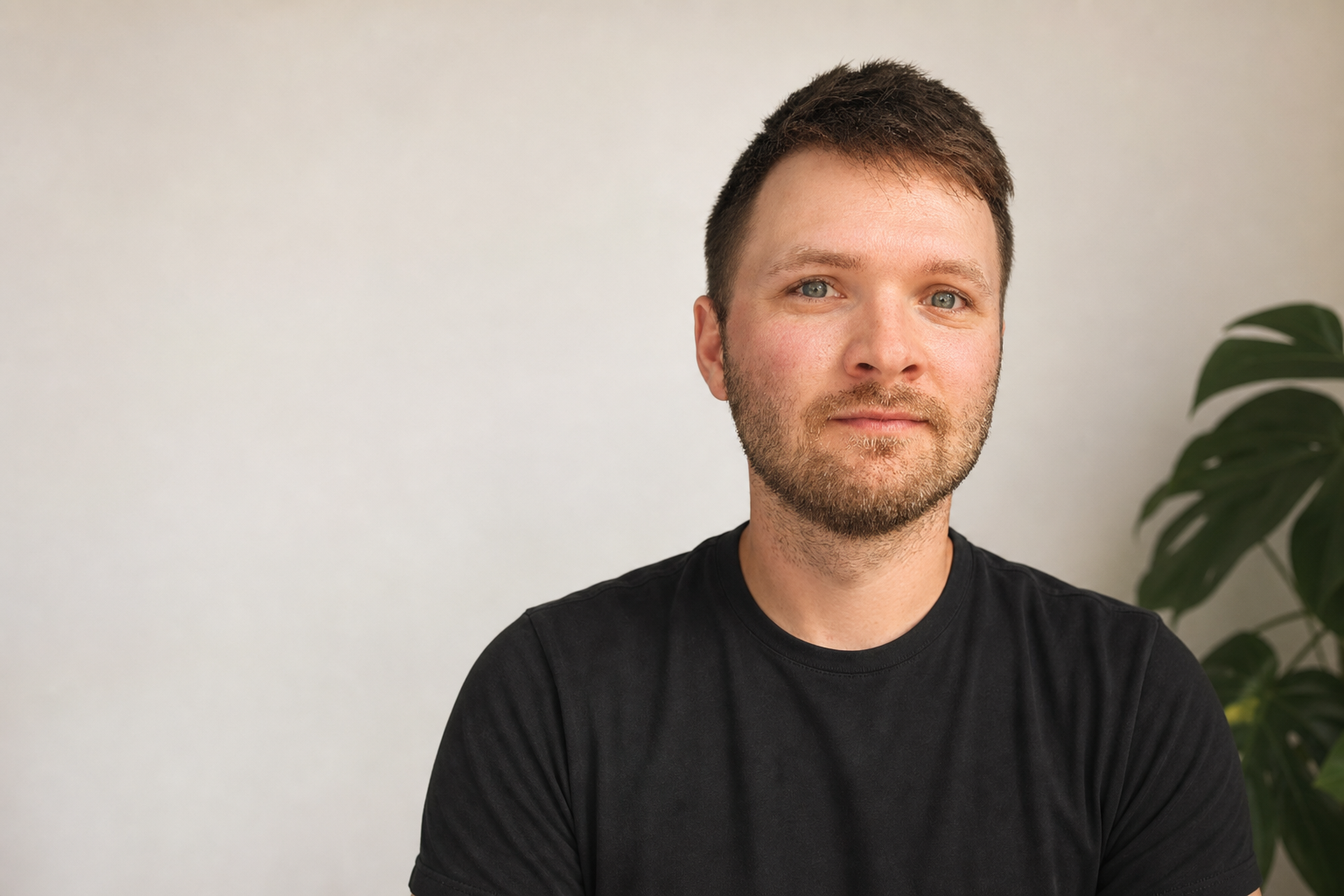
From an agreed brief & kickoff.
Real production takes real planning.
Free field guide for business owners
Before you spend months learning or pay someone to build the wrong thing, see how I built five real apps. Learn what AI can do, what you still need to understand, and when hiring help makes sense.
28-page PDF + starter code. Free on Gumroad: enter $0 and your email.
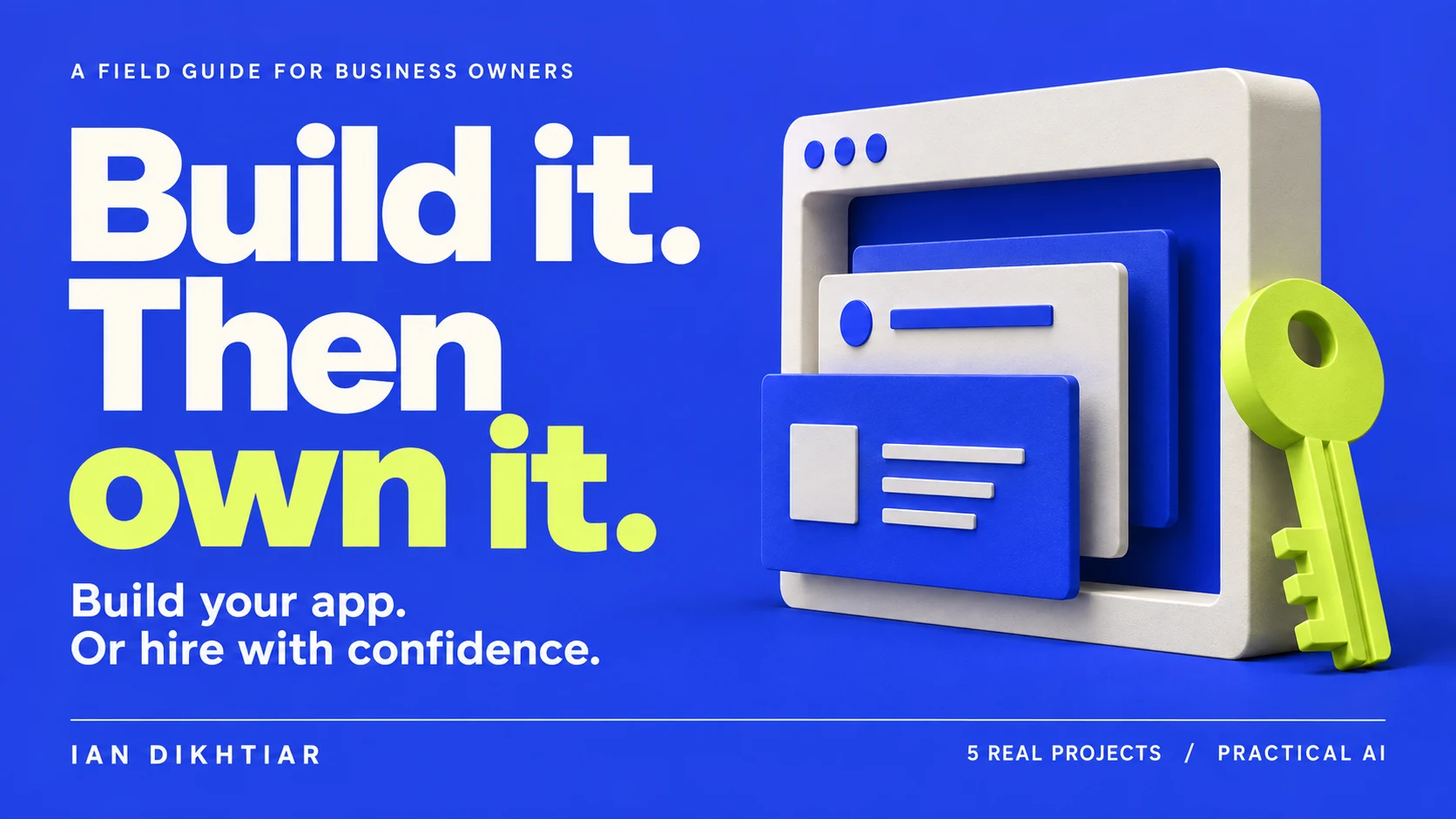
Written by Ian Dikhtiar. A decade in software testing, hands-on building, and running my own products.
The opportunity is closer than you think
Let’s start there. A slow process. An underserved customer. A good idea that’s been waiting for a technical person to take it seriously.
Turn the copy-paste, chasing, and spreadsheet gymnastics into a workflow that does the heavy lifting.
Build the useful calculator, customer portal, or service experience your industry still treats as impossible.
Package your expertise into a product, sharpen the offer, and give a promising idea something real to stand on.
The goal: one valuable move. Then the next one.
Make the opportunity tangible
It’s easier to make a good decision when you can see what you’re deciding on.
Once we agree the brief, inputs, price, and kickoff, I build a focused demonstration you can react to. An app, a website, an AI workflow, or a marketing direction. Something concrete enough to say: “Yes. More of that.”
Book a call with Ian
Testing, security, real data, and ongoing reliability get their own plan. The first conversation is free; demo work is scoped and priced together.
Technical leadership. Hands-on delivery.
Clear decisions. Working systems. One accountable person. You shouldn’t have to coordinate a developer, a hosting company, and three software vendors to get a useful result.
Here’s how we work togetherChoose the right systems, decide what to build or buy, and put the technical priorities in order around your business.
Custom software, websites, integrations, automations, and AI where it helps. I do the implementation and untangle what is already there.
Hosting, releases, debugging, maintenance, and security improvements. We agree what I own, then keep improving it.
I’m on your side. That includes questioning an expensive idea and finding a better one.
There’s work behind the words
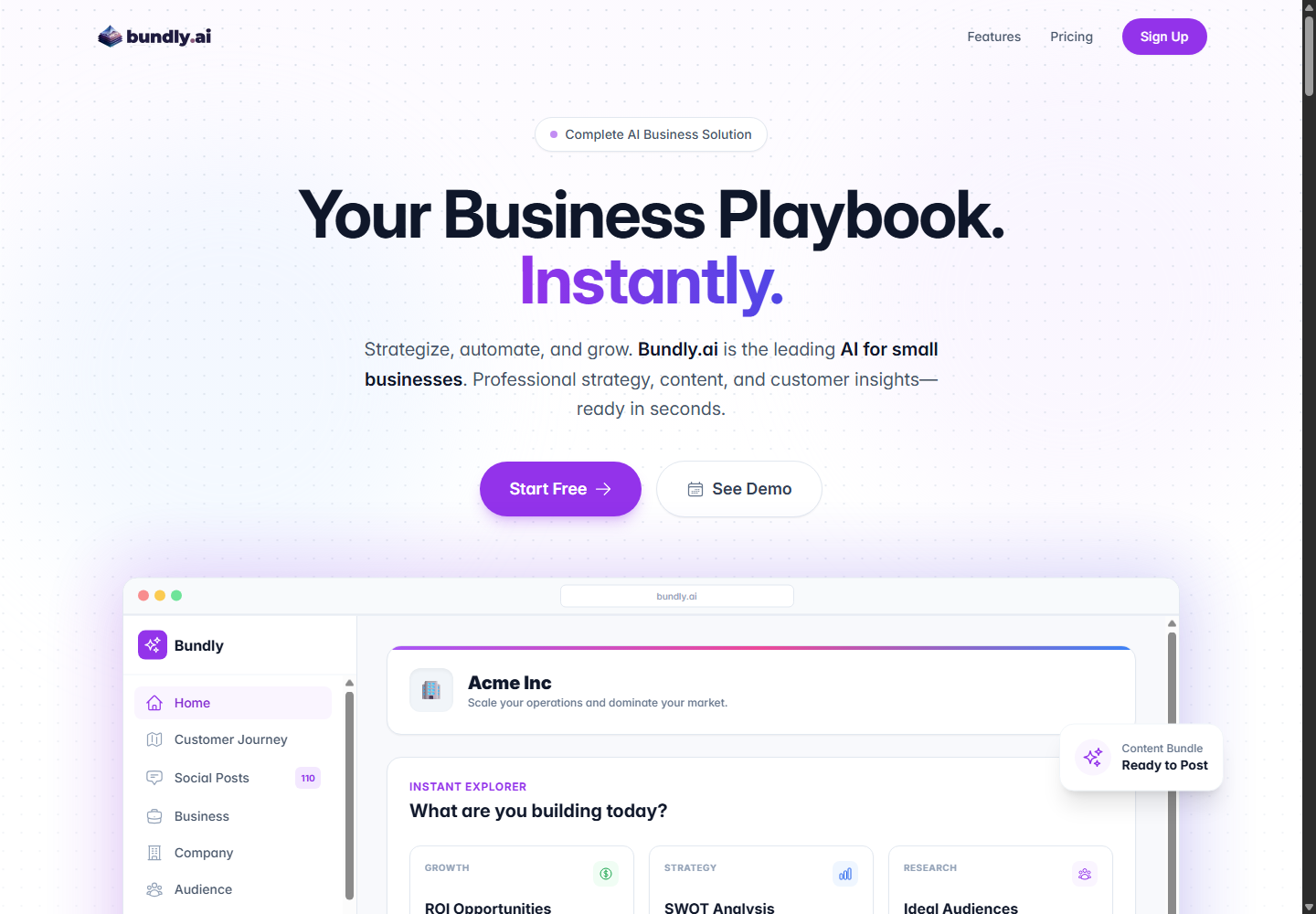
Business ideas, offers, and marketing put to work in an AI workspace.
For Brand Builder, I build, host, release, debug, and maintain a platform used to coordinate franchise openings.
Ask me to show you We can walk through approved client work privately.Fair questions
If you run an established business, control a budget, and need someone to own the technical work, we should talk. It works especially well when you have no technical team, or a small team that could use senior help.
A focused demo: an app flow, website concept, AI workflow, or concrete marketing direction. We agree what it should demonstrate, the inputs I need, and a kickoff time first. A production system needs separate planning, testing, integrations, and a realistic delivery schedule.
The first conversation is free. Demo scope, price, and kickoff are agreed before work begins. There is no surprise invoice, and the call does not commit you to a project.
We start with your situation and agree the right scope and fee. Ongoing technical partnerships typically run $10K–$20K per month. A focused first project is scoped separately.
No. Bring the part of your business you want to improve. Finding the right problem—and questioning the first solution—is part of my job.
Yes. I can work alongside your team, help make the technical decisions, and take ownership of an agreed part of the work. We make responsibilities clear from the start.
Your business. Your next move.
No polished brief required. Bring the business. Bring the ambition.
Part of how I do business
Giving is part of XT3. Here are the causes we support and the record behind that commitment.